Custom Cabinets
Choosing Cabinet Hardware for Comfort and Easier Cleaning
Plan cabinet knobs and pulls around grip, placement, cleaning habits, finishes, and real-life testing before making a final selection.
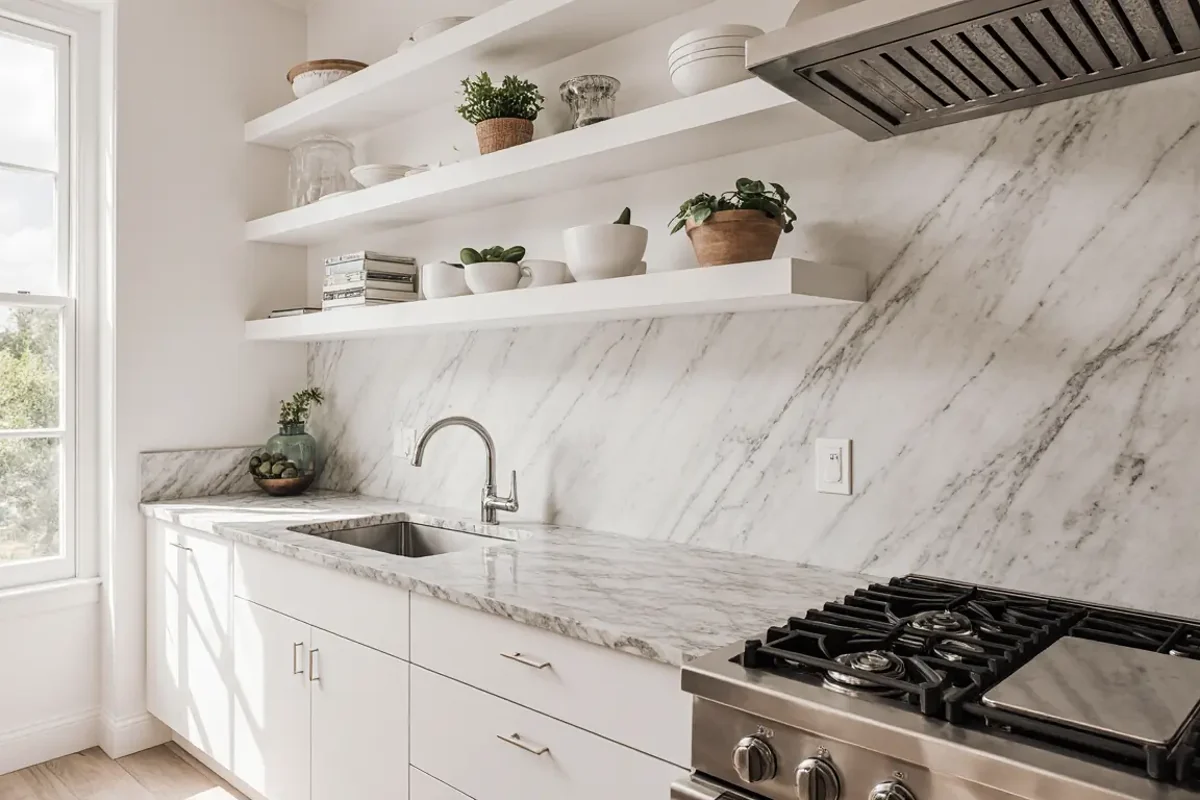
Cabinet hardware affects how comfortably doors and drawers open, how easily surfaces can be wiped, and how the room feels as a whole. Use samples and routine-based questions to compare shapes, placements, and finishes before committing.
Decide Who Needs to Use the Cabinets Comfortably
Begin with the people who will open the cabinets every day rather than with a preferred hardware style. Consider hand size, grip strength, dominant hand, long fingernails, and whether anyone finds pinching a small knob uncomfortable. Ask which drawers are opened most often, whether hands are sometimes damp or occupied, and which current handles feel awkward. These observations create useful criteria for comparing options.
Knobs usually require a more focused fingertip grip, while pulls offer space for several fingers or an open hand. Cup pulls can feel substantial but are approached from one direction, which may matter on upper cabinets or low drawers. Edge pulls create a restrained appearance, yet their grip area can be less obvious. Have each regular user handle real samples instead of judging comfort from photographs.
Match the Hardware Shape to the Cabinet’s Workload
A shallow drawer holding utensils does not create the same experience as a wide drawer holding cookware. Review the likely contents of each cabinet and identify the doors or drawers that may demand a firmer, more natural grasp. A longer pull may distribute effort across more fingers, while a knob may be perfectly comfortable on a light door. Discuss suitable hardware proportions and attachment needs with a qualified project professional.
Consistency does not require placing identical hardware everywhere. One coordinated collection can include knobs for doors and pulls for drawers, or different pull lengths with the same profile and finish. The tradeoff is visual simplicity versus task-specific comfort. Before mixing types, list where each will appear and look at an elevation or sample arrangement so the result feels intentional rather than improvised.
Evaluate Projection, Edges, and Hand Clearance
Hardware that looks elegant on a display board can behave differently in a working kitchen or bathroom. Notice how far each piece projects, whether its ends extend beyond its supports, and whether its underside gives fingers enough room for a relaxed grip. Open nearby doors and drawers in your plan to consider whether adjacent handles could meet, feel crowded, or catch loose sleeves, towels, pockets, or appliance cords.
Rounded forms and closed-end pulls may feel gentler in busy circulation areas, while angular shapes can provide a crisp visual accent. Recessed or low-profile choices reduce projection but may require a more precise hand movement. Ask where people stand when opening each cabinet and how frequently they pass close to it. A project professional can help evaluate clearances and coordinate placement with the cabinet design.
Choose a Surface That Fits Your Cleaning Routine
Think about what typically reaches the hardware: cooking residue, hand lotion, cosmetics, soap, water spots, or flour. Smooth, simple forms generally offer fewer grooves to wipe than ornate pieces with ridges or backplates. Cup pulls can collect debris along their interior surfaces, and textured finishes may require more attention than expected. Compare these cleaning implications with the character you want the room to have.
Finish also influences how readily fingerprints, streaks, and residue are noticed. A highly reflective surface may make marks more visible, while a varied or brushed appearance may make everyday handling less conspicuous. Appearance is not the same as cleanability, however. Review the hardware manufacturer’s care guidance and ask which household products should be avoided; consult a qualified project professional if finish compatibility is uncertain.
Coordinate Hardware Without Letting It Dictate Everything
Cabinet hardware can relate to faucets, lighting, appliances, mirrors, or nearby door hardware without matching every finish exactly. Decide whether you want quiet continuity or a deliberate contrast against the cabinet color. Dark hardware may create a strong outline on pale cabinets, while a closer color relationship can make the cabinetry appear calmer. View combinations under the room’s planned lighting before choosing.
Pay attention to shape as well as color. A curved pull may echo an arched detail, while a straight bar can reinforce flat cabinet lines. If the kitchen opens into another living area, consider what will be visible from adjoining rooms. For a bathroom, compare hardware beside the vanity top and wall finishes. Limit the palette deliberately so multiple attractive selections do not compete for attention.
Test Samples and Prepare a Final Hardware Schedule
Hypothetical example: A homeowner likes a slim square pull online but finds that its narrow back edge presses uncomfortably during repeated use. A slightly rounder sample looks similar from across the room and feels better in the hand. This type of test can reveal more than a finish chip. Temporarily hold samples against doors and drawers, then mimic opening them from the positions used during normal routines.
Before your selection meeting, photograph the existing hardware you find comfortable or frustrating, list the room’s frequent users, and note high-use cabinets, cleaning concerns, and preferred finishes. Gather a small set of physical samples and record the maker, collection, finish, and intended location for each choice. Have a qualified project professional confirm quantities, placement, compatibility, and other technical details before ordering or preparing cabinet fronts.